
Turn mealtime battles into manageable meals
If dinner has become a nightly negotiation; you're not doing anything wrong, and neither is your child. Feeding therapy builds comfort with new textures, tastes and the mechanics of eating, at a pace your child can actually manage.
Licensed feeding therapists · No referral needed to chat
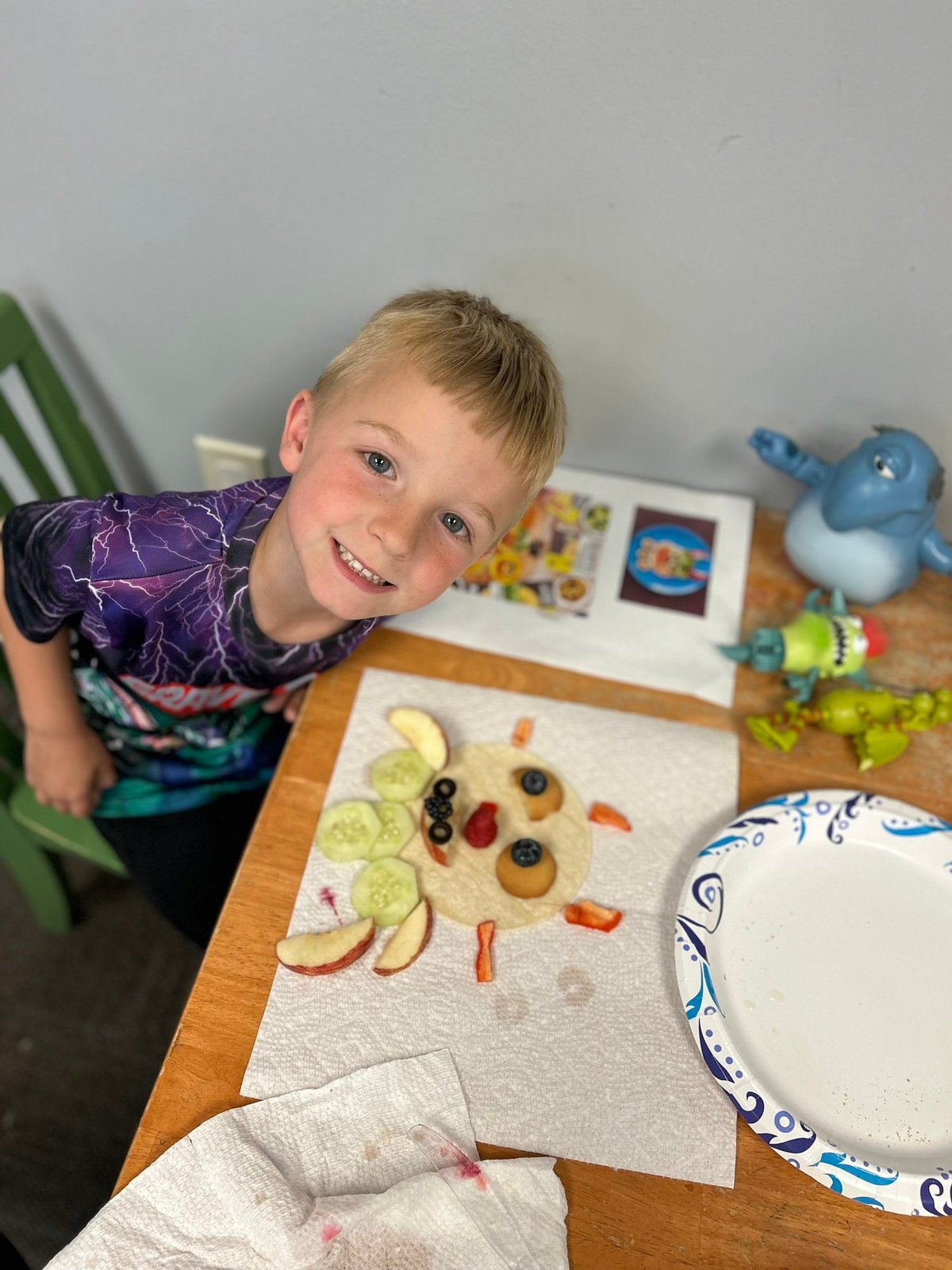
Signs it might be worth a conversation
Children go through picky phases, and most of them pass. But if some of these feel familiar, contact us today. It's an easy first step.
- Eats fewer than about 20 different foods, and the list keeps shrinking
- Drops entire food groups. No meats, no vegetables, no fruit
- Gags, cries or shuts down at the sight or smell of new food
- Will only eat one brand or one specific texture
- Coughs, chokes or gets watery eyes while eating or drinking
- Meals regularly stretch past 30 minutes, or end in tears
- Growth has flattened, or weight gain is a concern
- Refuses to sit at the table, or won't eat around other people
These are general observations, not a diagnosis, and trusting your gut is never overreacting.
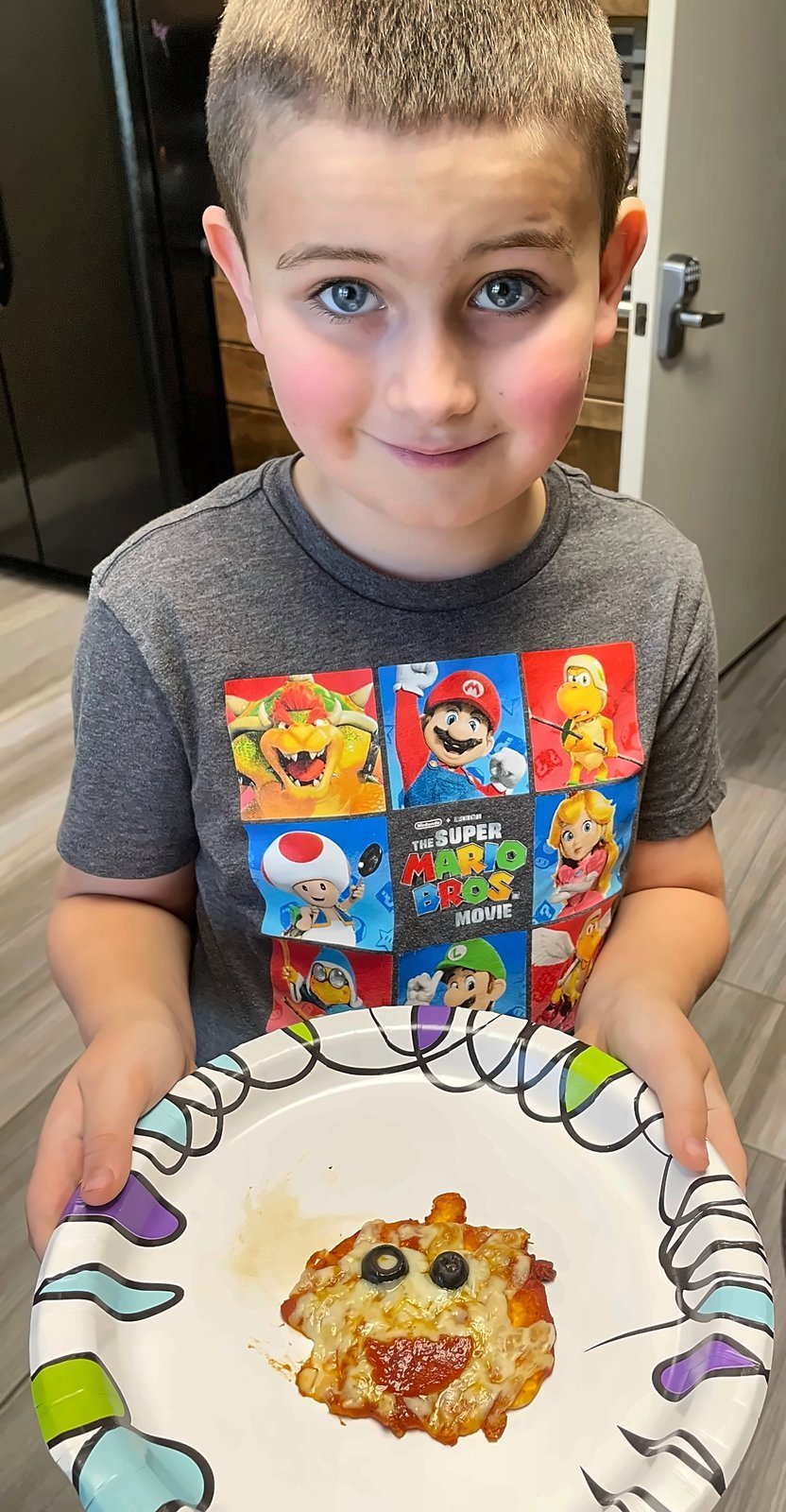
What should mealtimes look like by now?
Eating skills change fast in the early years: from bottle and purees to chewing table food. Our milestone guide covers feeding alongside speech, movement and sensory, age by age.
See Milestones by AgeFeeding is a skill, and skills can be built
Eating uses more muscles and senses than most people realise. Our therapists work on every piece of that puzzle.
Picky & restricted eating
Widening the range of accepted foods gradually, without pressure or power struggles.
Texture transitions
Moving comfortably from purées to soft lumps to table food at your child's pace.
Chewing & swallowing
Building the oral motor strength and coordination behind safe, efficient eating.
Sensory-based food aversion
For children whose reactions to smell, texture or sight of food go beyond stubbornness.
Cup & straw drinking
Learning to drink from an open cup or straw without spilling, coughing or avoiding.
Mealtime routines & posture
Seating, positioning and the structure that helps a child feel safe enough to eat.
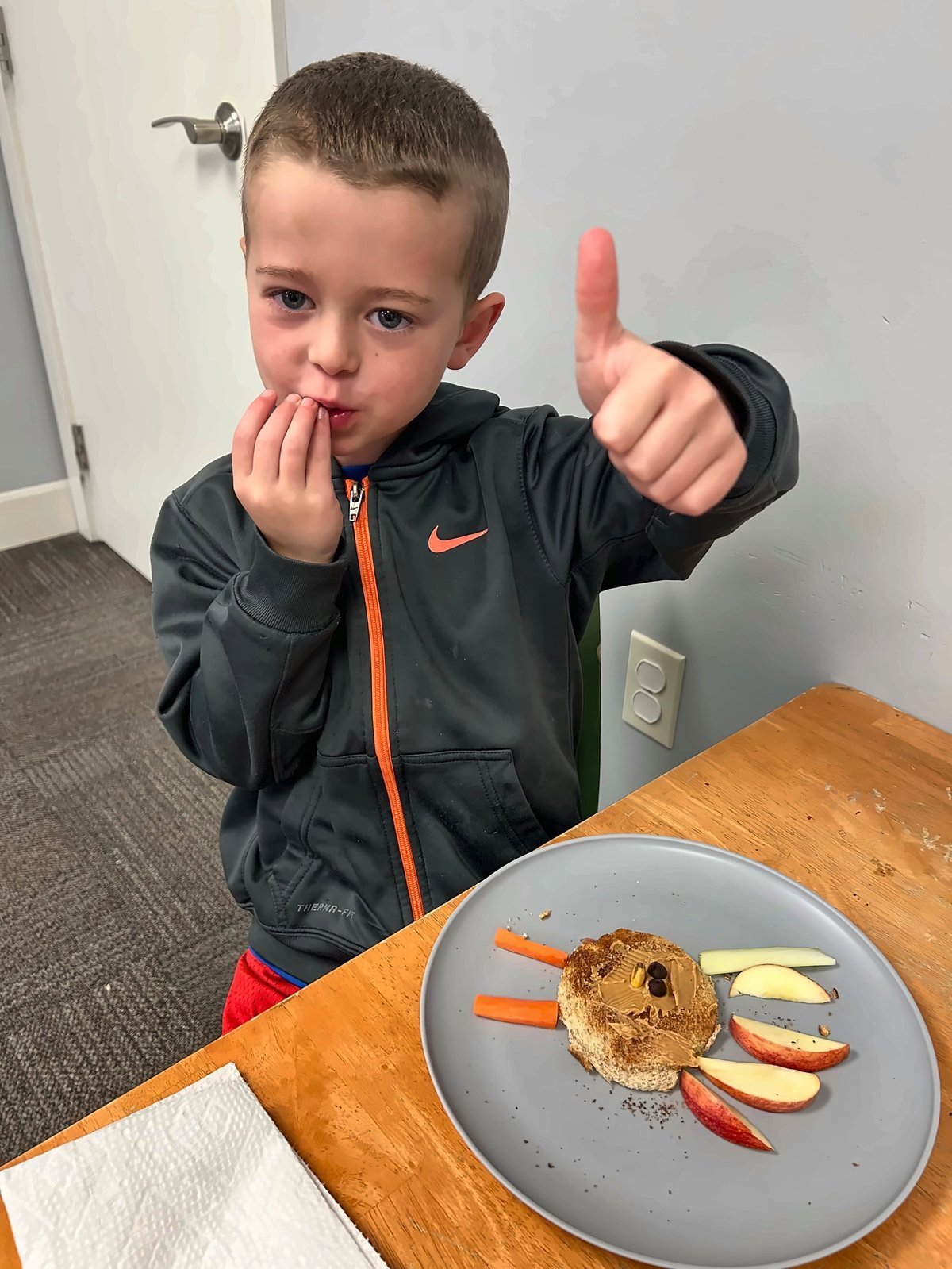
No pressure. Ever.
Feeding therapy works the opposite way to the dinner-table standoff. Instead of coaxing a child to take “one more bite,” we build curiosity and comfort first, and progress follows.
Playing with food is part of it
Touching, smelling and exploring food without any expectation of eating is how comfort grows.
Small, non-negotiable-free steps
We break new foods into tiny wins, so your child never feels cornered or forced.
You're in the room with us
We coach you on the language and strategies that help at home, so the work carries past the session.
Built around your family's real life
Goals that fit your culture, your kitchen and your schedule. Not a template plan.
Picky eating is normal. This is something else.
Almost every child goes through a picky phase; that's development, not a disorder. Feeding therapy is for children whose eating is genuinely limiting what they can eat, how they grow, or how mealtimes feel for the whole family.
Typical picky eating
- Prefers familiar foods but will still try something new eventually
- Eats a variety that slowly widens over months, not narrows
- Grows and gains weight on their own curve
- Can eat with other people, and enjoys at least some meals
When it may be feeding therapy
- The list of safe foods is shrinking, not growing
- Tears, gagging or distress at most meals
- A very limited range of textures, often under 20 foods total
- Growth, weight or nutrition has become a concern
- Mealtimes are stressful for the whole family
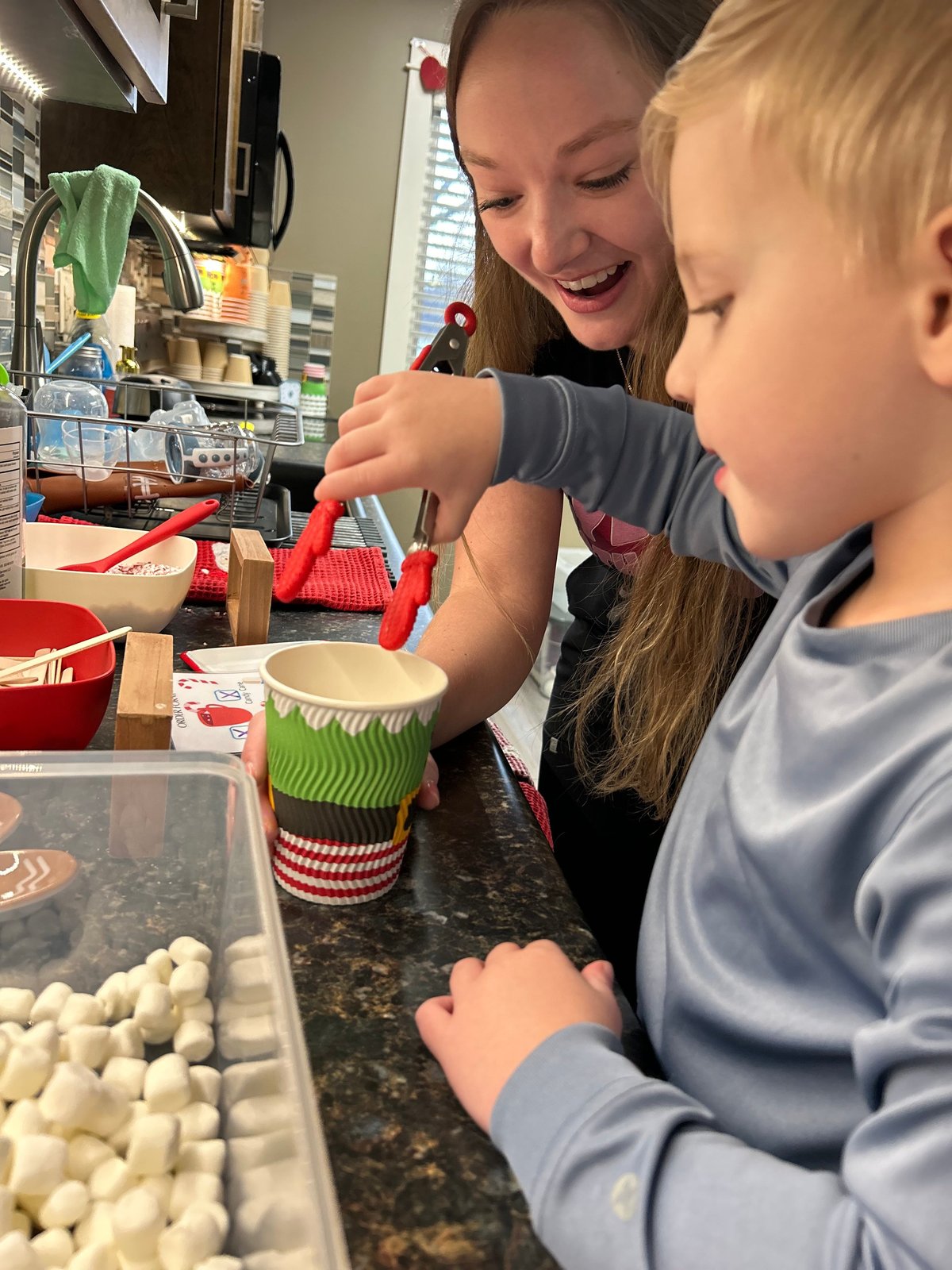
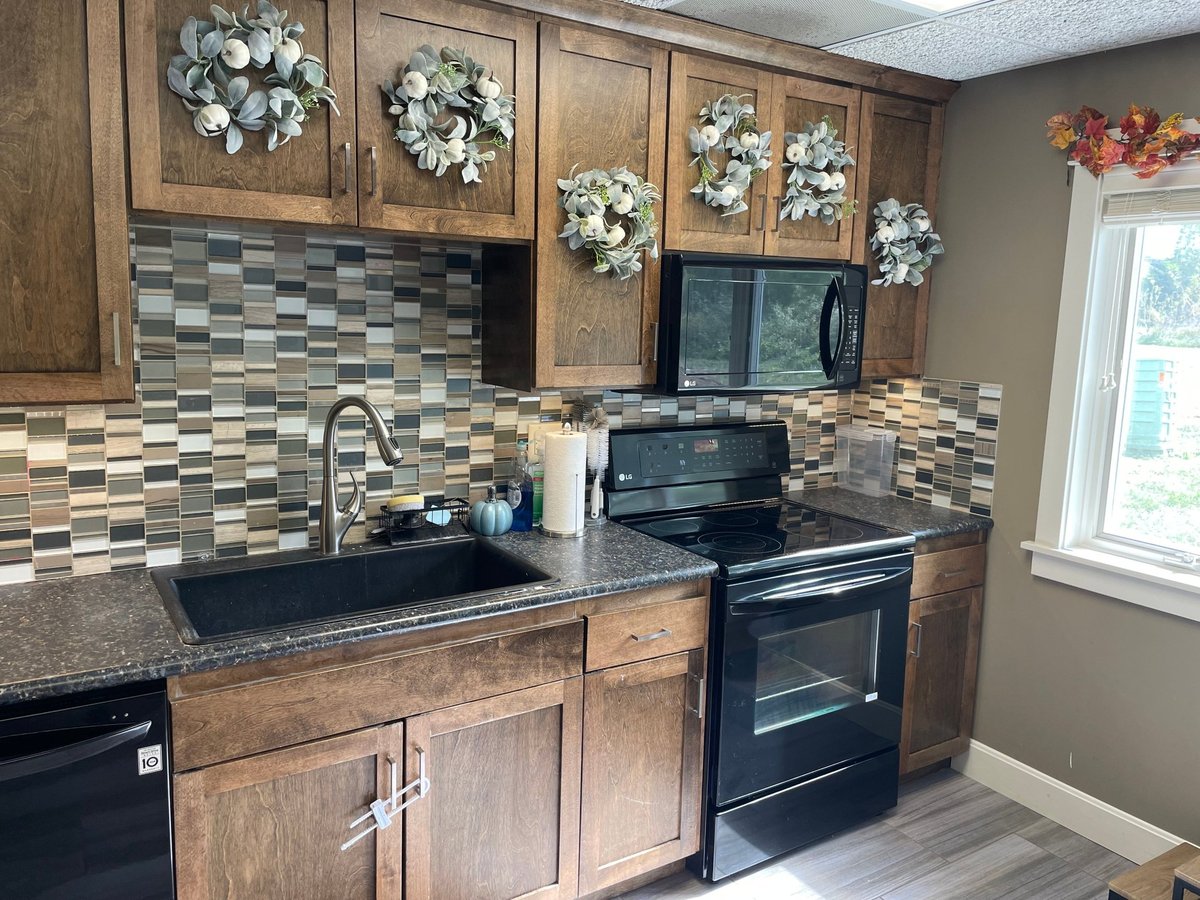
A working kitchen changes what feeding therapy can do
Both of our clinics have a full kitchen, range and stove, microwave, refrigerator and sink. For a child who is learning to eat; that matters more than it might sound. Food behaves differently when it is being cooked, and a child who will not touch a carrot on a plate may happily wash one at the sink.
- Cooking together builds comfort with a food before it ever reaches the plate
- Smells, sounds and textures can be introduced gradually and on your child's terms
- Real preparation, pouring, stirring, spreading, turns eating into something they helped make
- Meals get practised in a room that looks like home, so skills carry over more easily
- Our feeding and occupational therapists work side by side in this space
Mealtimes don't have to be a battle.
Reach out and you'll talk with our office manager about what you're seeing, what services fit, and how insurance and payment work, before anything is scheduled. No referral needed to talk.