
Keep up on the playground, and everywhere after
Pediatric physical therapy builds the balance, coordination and strength behind confident movement: from a first step to a first sprint. Sessions happen in our custom-built sensory gyms where the work looks a lot like play.
Licensed pediatric PTs · Sensory gyms in Lawrence & Topeka
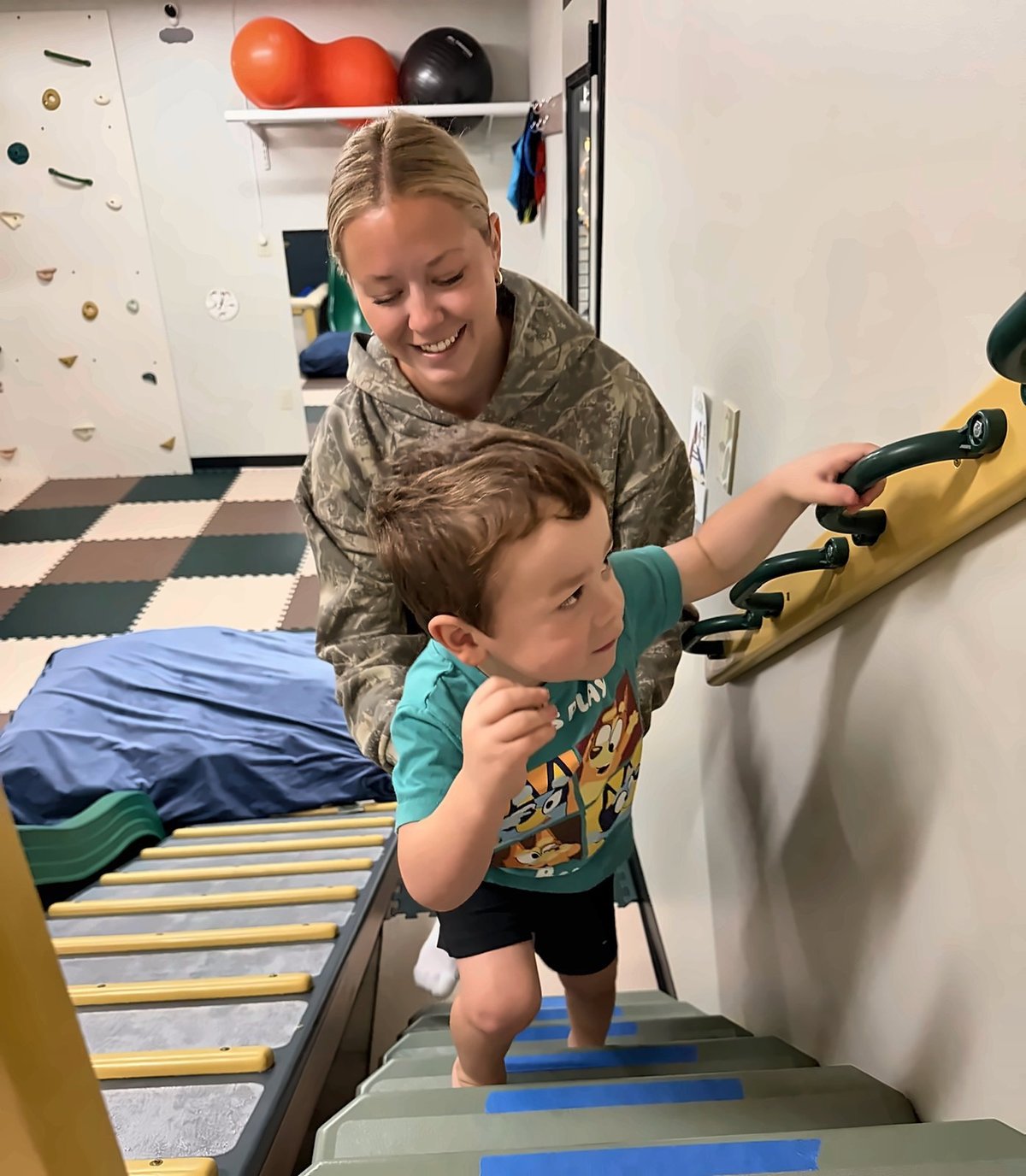
Signs it might be worth a conversation
Children develop on their own timelines, and a lot of variation is completely normal. But if some of these feel familiar, contact us today. It's an easy first step.
- Seems clumsier than peers, or falls more often than you'd expect
- Avoids or struggles with stairs, climbing, or keeping up in play
- Walks on tiptoes, or has an unusual walking pattern
- Tires quickly, or seems weak compared to other kids their age
- Has low muscle tone, or slumps and leans more than expected
- Missed early milestones like rolling, sitting or crawling
These are general observations, not a diagnosis, and trusting your gut is never overreacting.
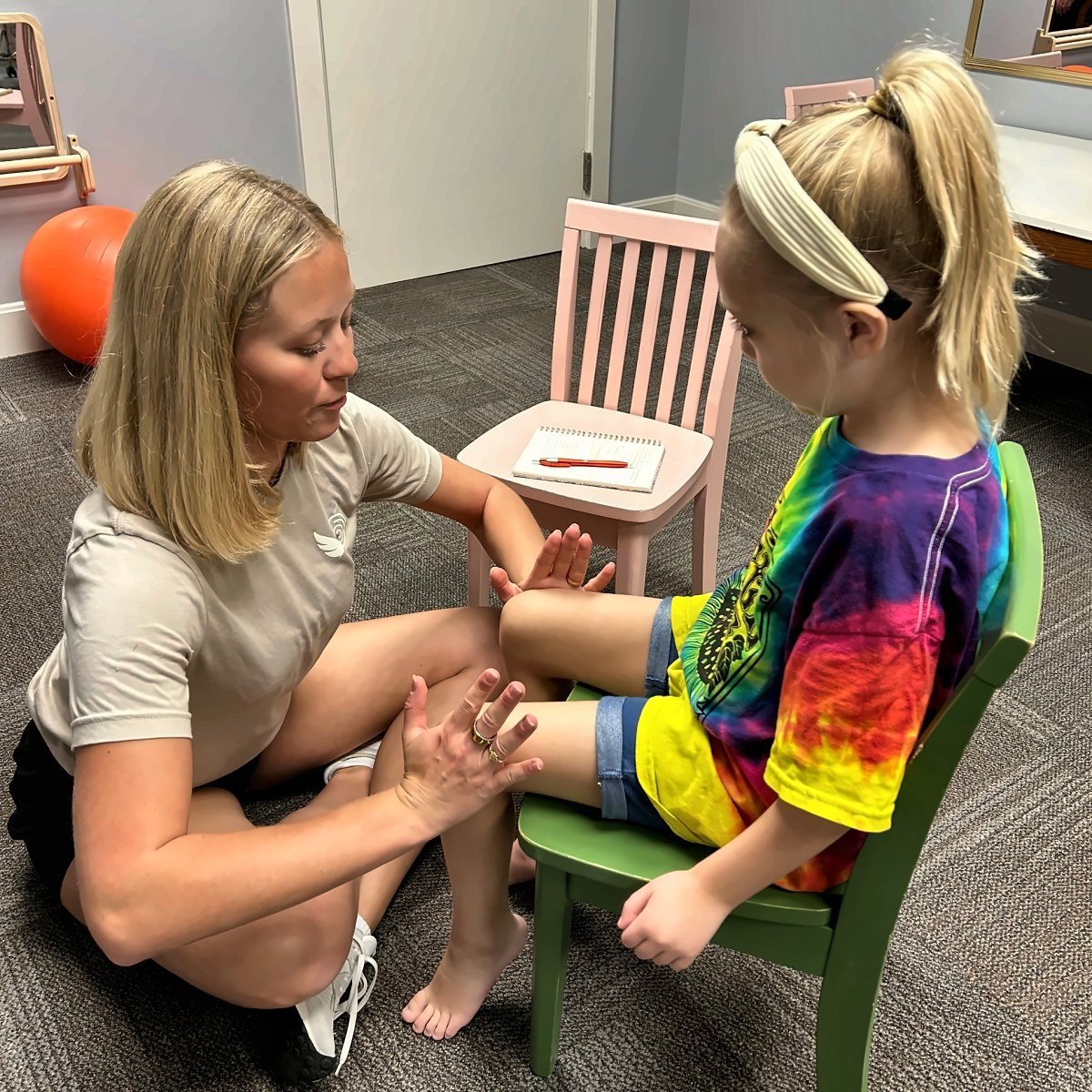
Is your child hitting motor milestones?
Rolling, sitting, crawling and walking each arrive on a wide range of timelines. Our milestone guide covers gross motor skills alongside speech, feeding and sensory, age by age.
See Milestones by AgeBuilding the movement skills that unlock everything else
Physical therapy isn't only for kids with an injury or a diagnosis. It's for any child who needs a hand with how their body moves, balances and keeps up.
Gross motor development
Rolling, sitting, crawling, walking and running: the milestones that come before everything else.
Balance & coordination
Steadier footing, smoother movement, and the confidence to try the climbing wall again.
Strength & endurance
The muscle power and staying power behind carrying a backpack, playing hard or keeping up at recess.
Mobility & flexibility
Easing stiffness and improving range of motion so movement feels comfortable and easy.
Torticollis & gait
Specialized care for head-tilt preferences in infants and unusual walking patterns in older kids.
Post-injury or surgical rehab
Guided rebuilding after an injury, procedure or a stretch away from activity.
The six areas we look at
Most PT referrals come from one of these areas. Find the one that sounds most like your child, then see how it develops at each age.
Gross motor milestones
- Not rolling, sitting or crawling on the expected timeline
- Not walking independently by about 15–18 months
- Losing skills they previously had
- Missed early milestones without a clear reason
Strength & endurance
- Tires quickly during play or a normal day
- Seems weak compared with other children their age
- Slumps, leans, or needs to prop themselves up
- Low muscle tone, looks floppy when held or seated
Balance & coordination
- Seems clumsier than peers, or falls more than expected
- Trouble with stairs, climbing or playground equipment
- Can't keep up in play, PE or sports
- Avoids physical play or being off the ground
Gait & posture
- Walks on tiptoes beyond about age 2
- An unusual walking pattern, waddling, stiff or uneven
- Favours one side of the body
- Holds an arm or leg in an awkward position
Mobility & flexibility
- Limited range of motion in an arm, leg or neck
- Stiffness that doesn't loosen with movement
- Head-turning preference, or a flattened spot on the head
- Discomfort with certain positions or movements
Recovery & special conditions
- Rebuilding movement after an injury or surgery
- Torticollis or a diagnosed neuromuscular condition
- Recovering strength after a long illness or hospital stay
- A specialist has recommended a PT evaluation
PT isn't only for kids with a diagnosis.
Most of the children we see have no diagnosis at all. What they have is a body that isn't keeping up with what they want to do, and a parent who noticed.
Physical therapy helps children who are:
Still working on the big milestones
Rolling, sitting, crawling, standing and first steps.
Building strength and endurance
Keeping up at recess, PE and a full day of play.
Improving balance and coordination
Feeling steady on stairs, playground equipment and uneven ground.
Moving through a different gait
Toe-walking, an unusual walking pattern, or favouring one side.
Recovering from an injury or surgery
Rebuilding movement safely after a setback.
Building confidence in their body
Trying new physical things without fear of falling behind.
The gym is the therapy
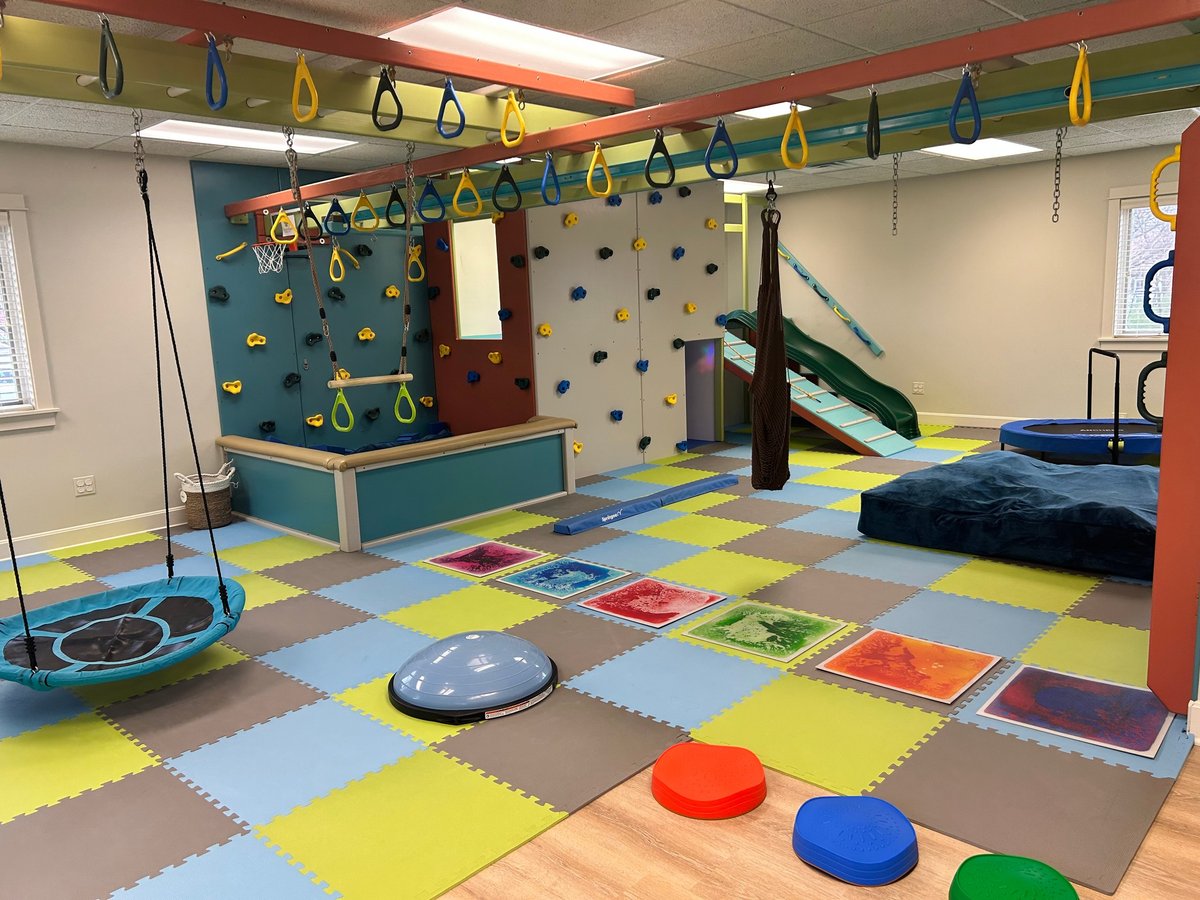
Our custom-built sensory gyms are a big part of why our physical therapy program works. Climbing walls, balance equipment, swings and obstacle courses let kids build strength and coordination while they think they're just playing, and both our Lawrence and Topeka clinics have one.
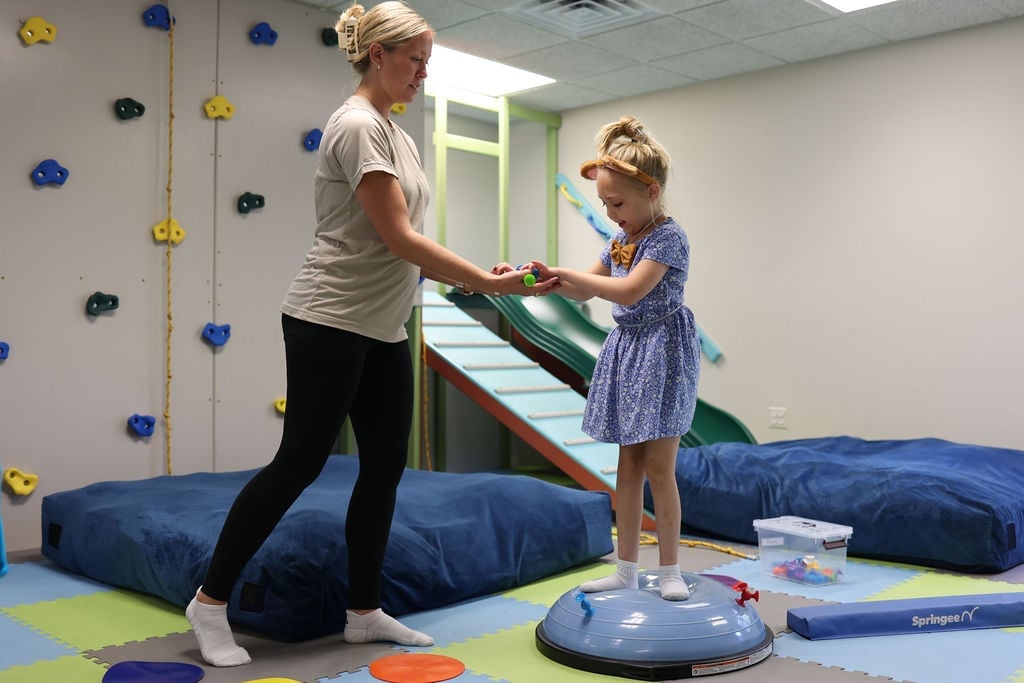
Reach higher, stand stronger.
Balance boards, climbing walls, and big therapy balls turn every session into an adventure. Your child's physical therapist plans around what they can do today, then cheers them on as they reach a little further tomorrow, on the playground and everywhere else.
Let's get your child moving with confidence.
Reach out and you'll talk with our office manager about what you're seeing, what services fit, and how insurance and payment work, before anything is scheduled. No referral needed to talk.