
Helping your child find their voice
Whether your child is learning to talk, having difficulty with speech sounds, or struggling to express their thoughts, we’re here to help. At New Heights Therapy, we use playful, engaging activities to build communication skills and help your child feel more confident.
Licensed speech-language pathologists · No referral needed to say hello
Signs it might be worth a conversation
Children learn to talk on a wide range of timelines, and a lot of variation is completely normal. But if some of these feel familiar, contact us today. It's an easy first step.
- No babbling, or very few consonant sounds, by 12 months
- Isn't using gestures like pointing or waving
- Fewer than 10–20 clear words by 18–24 months
- Not putting two words together by age 2
- Adults outside the family struggle to understand them at 3
- Has difficulty answering questions.
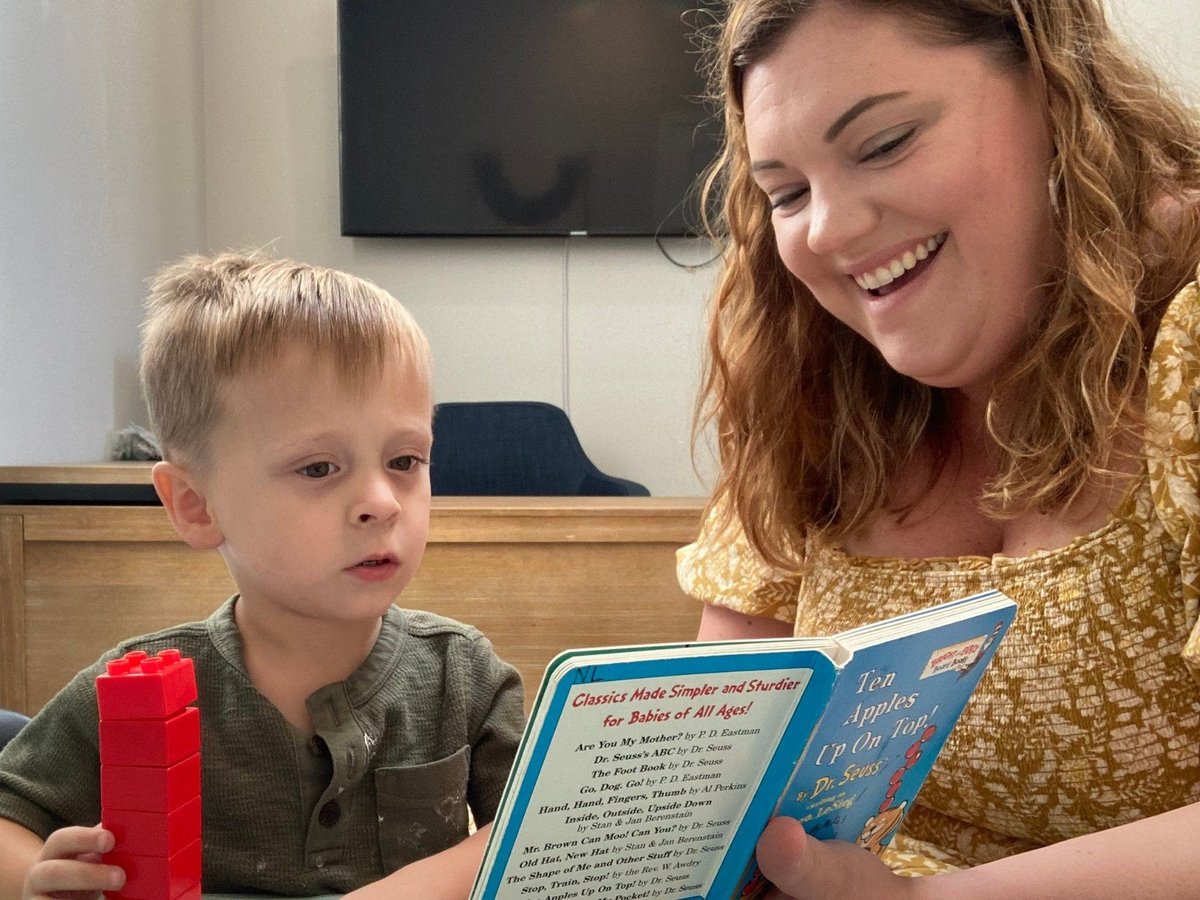
- Struggles with early reading, rhyming or letter sounds
- Repeats sounds or words often, or avoids talking because of it
These are general observations, not a diagnosis, and trusting your gut is never overreacting.
Wondering if it's time?
Speech and language expectations look different at every age. Our milestone guide walks through what most children can do from birth to 13, and the signs that are worth a conversation.
See Milestones by AgeSkills we help your child build
Speech therapy covers far more than how sounds come out. Guided by the areas of practice outlined by the American Speech-Language-Hearing Association (ASHA), here's what our therapists work on, and what each one looks like day to day.
Speech sound production
Helping your child say sounds clearly so they're understood by family, friends, and teachers. We also support children whose sound errors follow a pattern, or who have trouble planning the mouth movements for speech.
- Articulation
- Phonological disorders
- Childhood apraxia of speech
Language
Building the words and sentences your child needs to understand others and express themselves, from following directions to telling you about their day, and later, reading and writing.
- Understanding language (receptive)
- Using language (expressive)
- Vocabulary
- Grammar and sentence structure
- Spoken and written language
Fluency
Support for children who repeat sounds, get stuck, or speak in a rushed or bumpy way. We coach both your child and your family to reduce stress and build confidence in speaking.
- Stuttering
- Cluttering
- Rate and smoothness of speech
Voice & resonance
Helping kids find a healthy, comfortable voice when theirs sounds hoarse, strained, too loud or too quiet, or unusually nasal.
- Vocal quality
- Pitch
- Loudness
- Resonance
Hearing
Supporting children with hearing differences so they can better access sound, build communication skills, and connect with the people around them.
- Communication with hearing loss or deafness
- Auditory habilitation and rehabilitation
- Hearing-related communication needs
Feeding & swallowing
Helping children eat and drink safely and comfortably, from chewing and swallowing challenges to mealtime struggles that make eating stressful.
- Feeding skills and behaviors
- Swallowing concerns (dysphagia)
Cognitive-communication
Helping children use skills like attention, memory, problem-solving, and organization to communicate, learn, and navigate everyday activities.
- Attention
- Memory
- Problem-solving
- Executive functioning
Social communication
Turn-taking, playing with peers, reading social cues, and the back-and-forth of conversation, using language in ways that fit your child's culture and community.
- Verbal and nonverbal communication
- Pragmatics (social language)
- Social interaction
Augmentative & alternative communication (AAC)
For children whose speech doesn't yet meet all their communication needs. AAC helps children communicate now while supporting the development of speech and language, and we help your whole family learn to use it confidently.
- Communication devices and apps
- Picture-based systems
- Sign and gesture
Early intervention
For children from birth to five who aren't yet meeting speech and language milestones. The earlier we start, the more we can help.
Not seeing your concern listed? Tell us a little about your child and we'll point you in the right direction.
It looks like play. It's built like therapy.
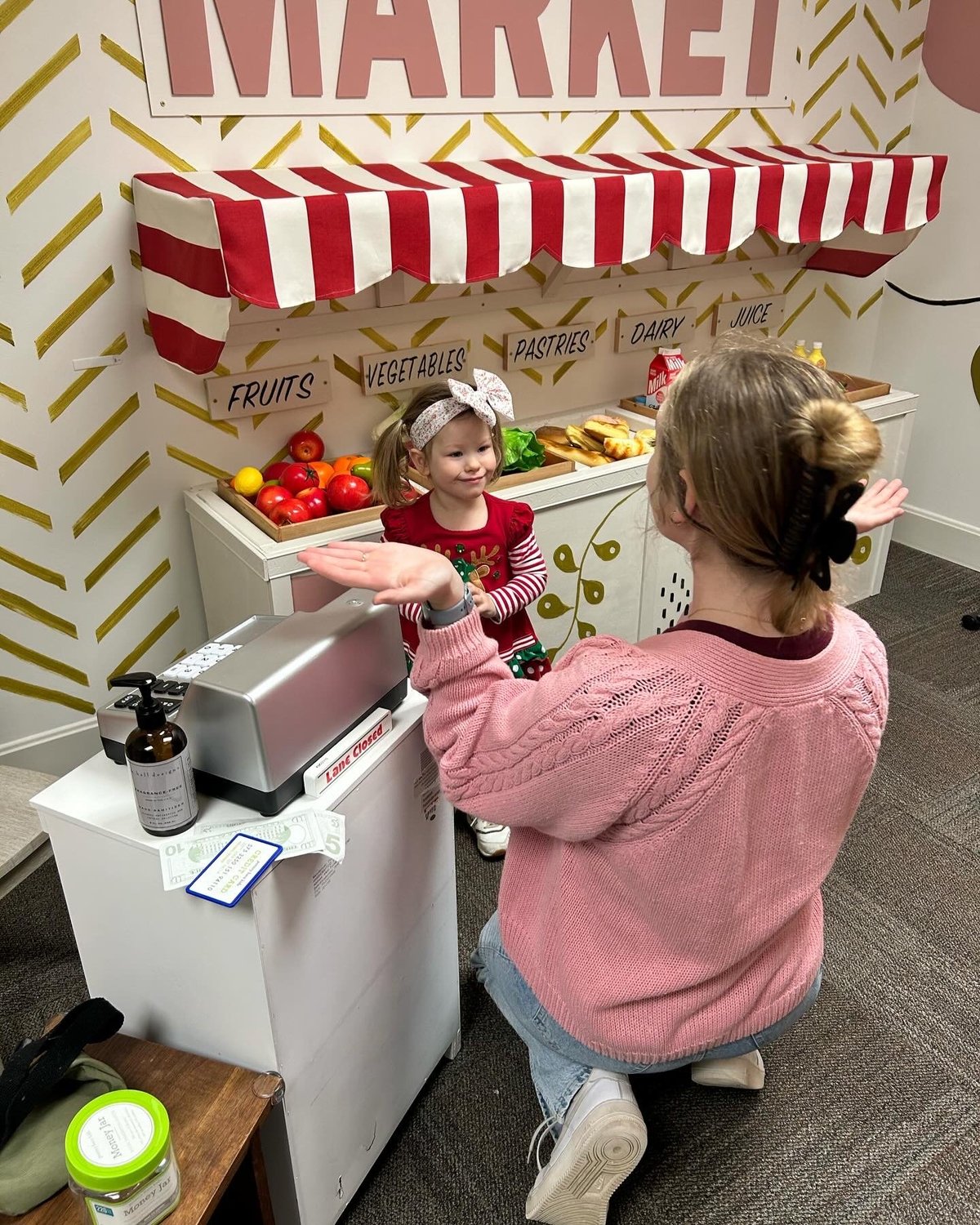
Your child sees games, toys and a therapist who's genuinely fun. Behind it, every activity is chosen to target a specific goal on their plan.
It's Play with Purpose.
Play is how children learn. Research supports play as an important part of developing language, cognitive, social-emotional, self-regulation, and executive-function skills.
Time well spent
Every session is shaped around your child's age, attention and goals, so the time is used well.
One-to-one with a licensed SLP
Your child works directly with a pediatric-trained speech-language pathologist.
You're part of the session
We show you what we're doing and why, so you can carry it into daily life.
Goals you helped shape
Clear, measurable targets, reviewed and celebrated as your child hits them.
Face to face, word by word.
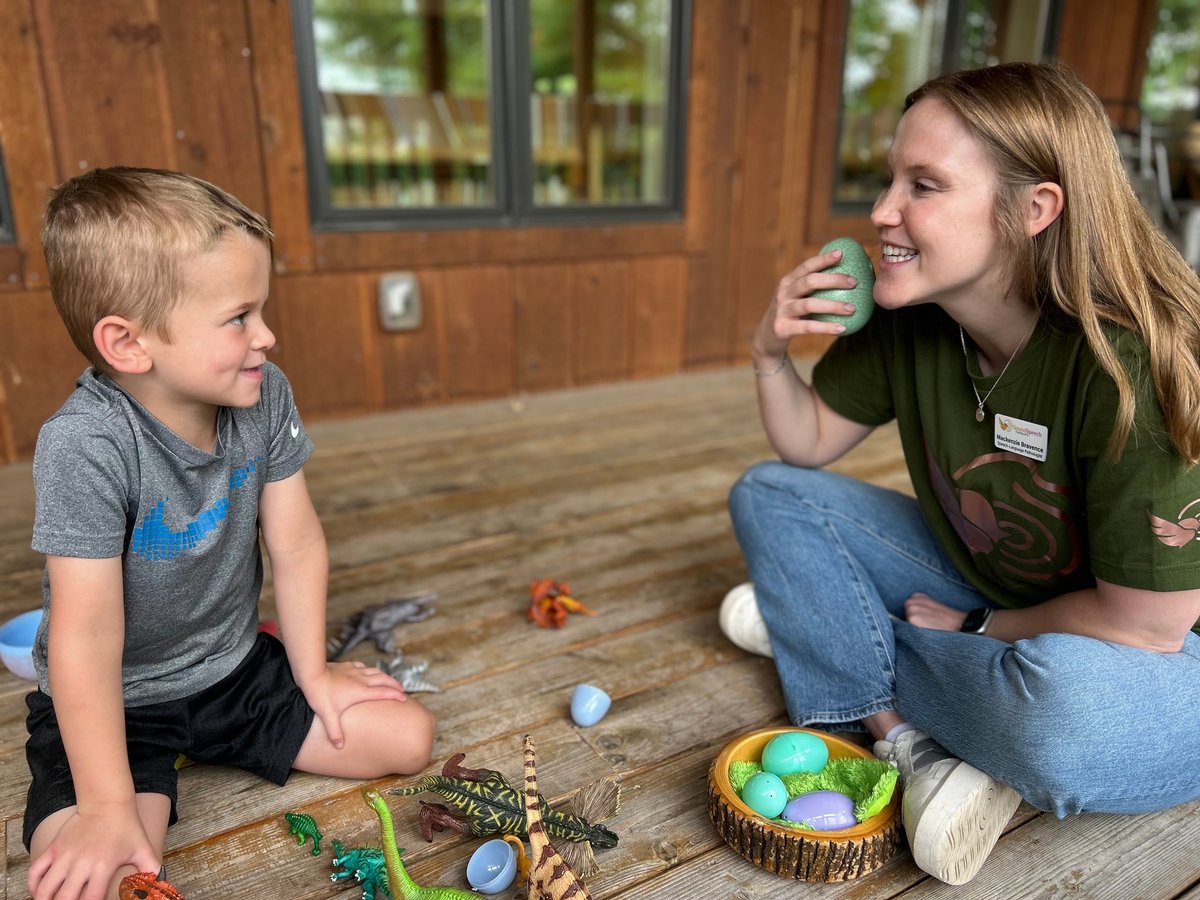
The best speech practice happens up close: watching how a sound is made, trying it out, and hearing “You did it!” Whether we’re hunting dinosaurs on the porch or squeezing lemons in the kitchen, every moment is a chance to work on communication.
Not sure where to start? Start with a conversation.
Reach out and you'll talk with our office manager about what you're seeing, what services fit, and how insurance and payment work, before anything is scheduled. No referral needed to chat.