Almost every toddler goes through a phase of refusing foods they loved last week. That is developmentally normal, it usually peaks between eighteen months and three years, and it often resolves as children get older and more confident. If your child is trying new things occasionally, eating a decent variety across a whole week, and growing well, you can probably relax about it.
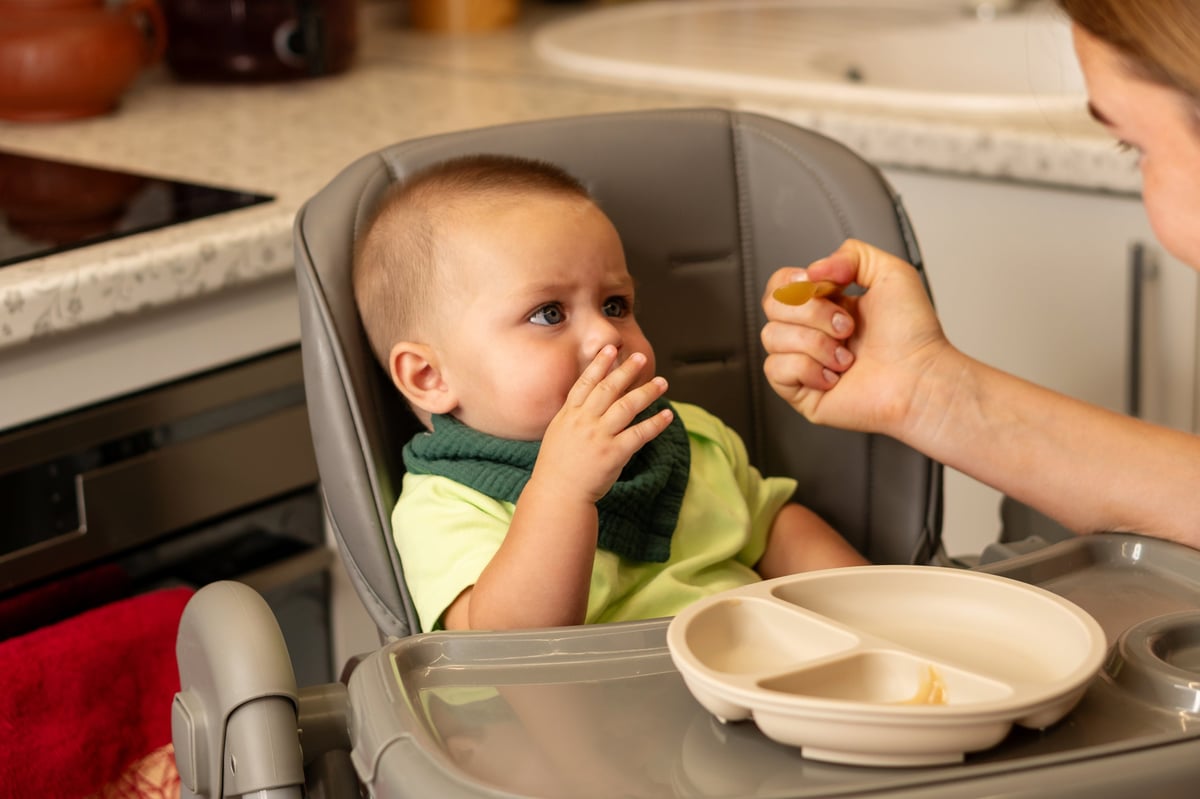
Feeding therapy is usually for a different picture. The food list is getting shorter instead of longer. Your child eats the same handful of foods, and the brand and the shape and the color all matter. A new food on the plate causes real distress, not just a no. Mealtimes take an hour and end in tears for one or both of you. You find yourself making a separate dinner every night because otherwise your child will not eat at all.
There is also a physical side worth ruling out: trouble chewing, coughing or gagging at meals, a child who holds food in their cheeks, a history of choking, reflux that never resolved, or a child who was slow to move from purees to lumps. Those are signs that feeding is harder than it should be at the level of the mouth and throat, and they are squarely within what a feeding therapist assesses.
Pressure is the thing that makes picky eating worse, and it is the hardest habit to break because it comes from love. You want your child to eat. So you coax, you bargain, you praise the bites. For a child whose body reads new food as a threat, all of that raises the stakes. The approach we use instead is low pressure and predictable: a safe food always on the plate, one new thing offered without comment, and progress measured in touches and smells long before it is measured in bites.
Progress in feeding therapy can look slow from the outside. A child who licked a strawberry after eight weeks can feel like nothing happened. But in feeding, licking is the hard part. Once a food is safe to touch and taste, eating it usually follows much faster.
If meals have become the hardest part of your day, that is reason enough to ask. You are not overreacting, and you are not the first family to call us about it.
Try this at home
Try this today: put one new food on the plate next to a food you know your child will eat, and say nothing about it. No encouraging, no explaining, no noticing. It can sit there untouched for weeks and still be doing its job. Familiarity comes before tasting.
Written by New Heights Therapy Feeding Team
Back to all articles